At Raumanga Kindergarten, Matariki provided a special opportunity to bring tamariki, whānau and kaiako together to learn, share knowledge and strengthen connections to culture, whenua and each other.

At Raumanga Kindergarten, Matariki provided a special opportunity to bring tamariki, whānau and kaiako together to learn, share knowledge and strengthen connections to culture, whenua and each other.
With the support of a grant from Te Puni Kōkiri through the Matariki 2026 Fund, Raumanga Kindergarten created a series of meaningful experiences centred around mātauranga Māori, whanaungatanga, cultural identity and practical learning.
From pepeha and rongoā to māra kai and a special Matariki celebration, the funding helped create opportunities for learning that could be shared not only within the kindergarten, but taken home and continued by whānau.
Raumanga Kindergarten's Matariki Night brought together around 80 tamariki, whānau and community members and was the culmination of weeks of learning and preparation.
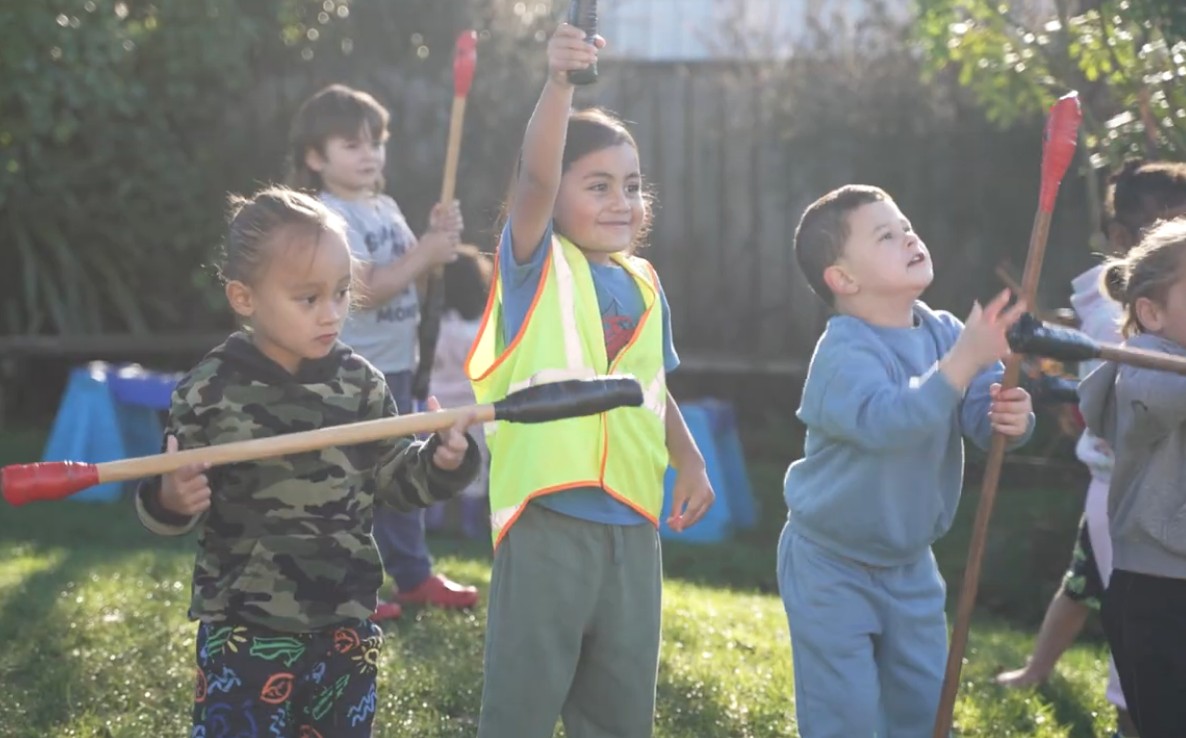
Tamariki were active participants throughout the evening. They shared waiata and pepeha, performed kapa haka, retold Te Pōrākau o Te Timatanga, and helped prepare and share kai with whānau.
The preparation was just as important as the celebration itself. Tamariki were involved in sourcing kai, preparing vegetables, packing baskets and laying the hāngī, while whānau contributed knowledge and skills across different parts of the evening.
“Was incredible to see all the hard work that the Tamariki & Kaiako put into practicing their haka and the play. Loved every moment.”
These experiences gave tamariki opportunities to develop confidence and independence while strengthening their understanding of tikanga, whanaungatanga and what it means to contribute to a collective celebration.
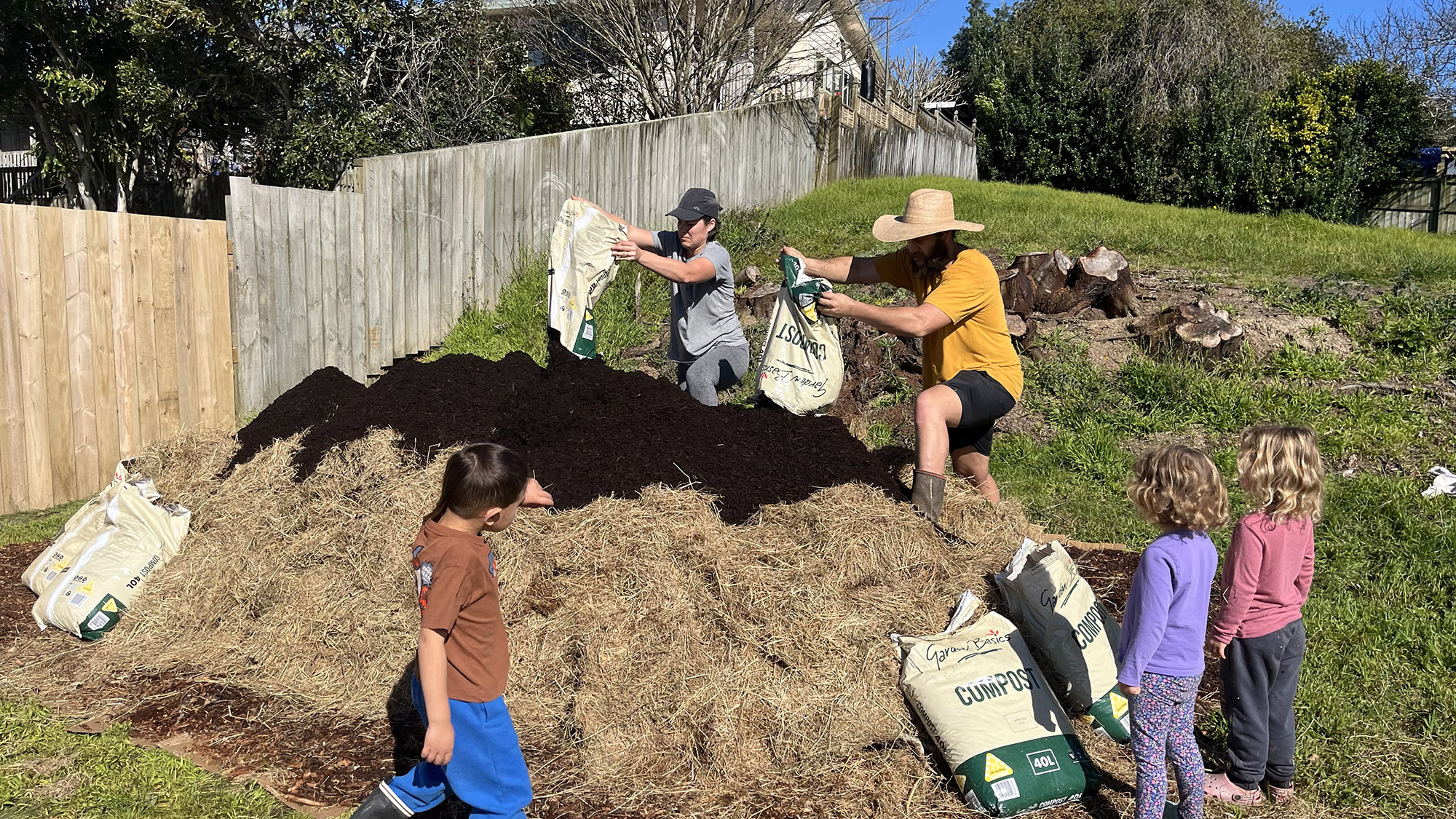
The Matariki funding also helped Raumanga Kindergarten establish a māra kai project designed to have an impact well beyond the initial hui.
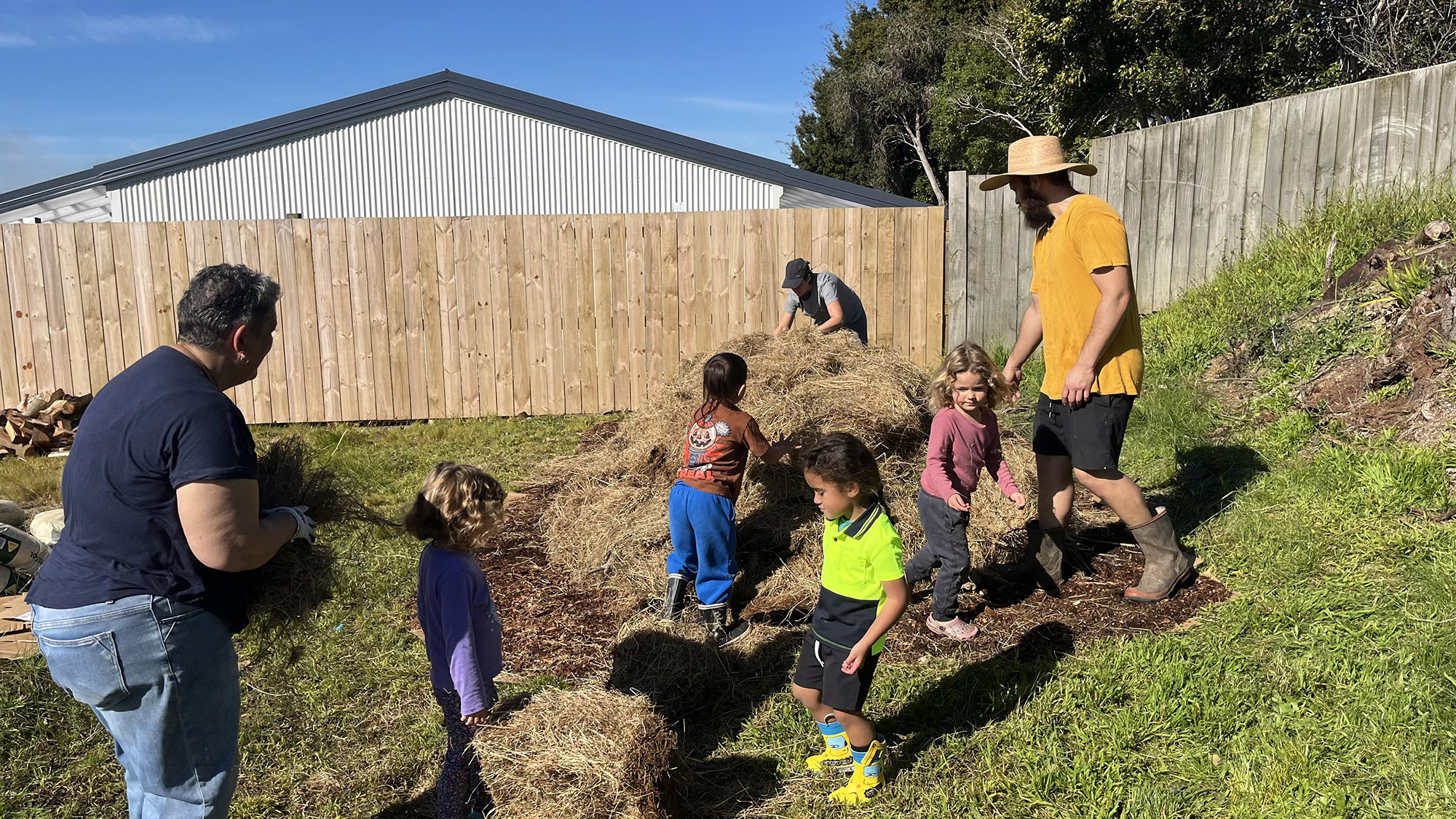
Whānau came together to prepare the kindergarten's māra using Hugelkultur, a layered gardening method using natural materials such as logs, branches, compost, hay and other organic matter.
The project became an opportunity to share practical knowledge about growing kai while working collectively towards something that could benefit the wider kindergarten community.
Importantly, the learning wasn't intended to stay within the kindergarten gates. Raumanga planned for whānau to have opportunities to establish their own māra at home, creating the potential for knowledge, kai and resources to continue being shared throughout the community.
As the Raumanga team described it, the vision is "māra for our community" supporting whānau to grow their own kai and share knowledge with one another.
Another special part of the Matariki programme came from within the kindergarten's own whānau.
Ata Mitchell, a mama of one of Raumanga Kindergarten's tamariki, shared her knowledge of pepeha, what it means to her and the connections it represents.
Whānau explored the structure and meaning behind pepeha and began looking more closely at their own connections to maunga, awa, hapū and iwi.
“I feel so much more confident and competent after this session. I now understand much of the why behind the tikanga”
The workshop created a safe and welcoming space for people to ask questions, learn together and grow their confidence. For tamariki, it also reinforced the importance of identity, whakapapa and belonging.
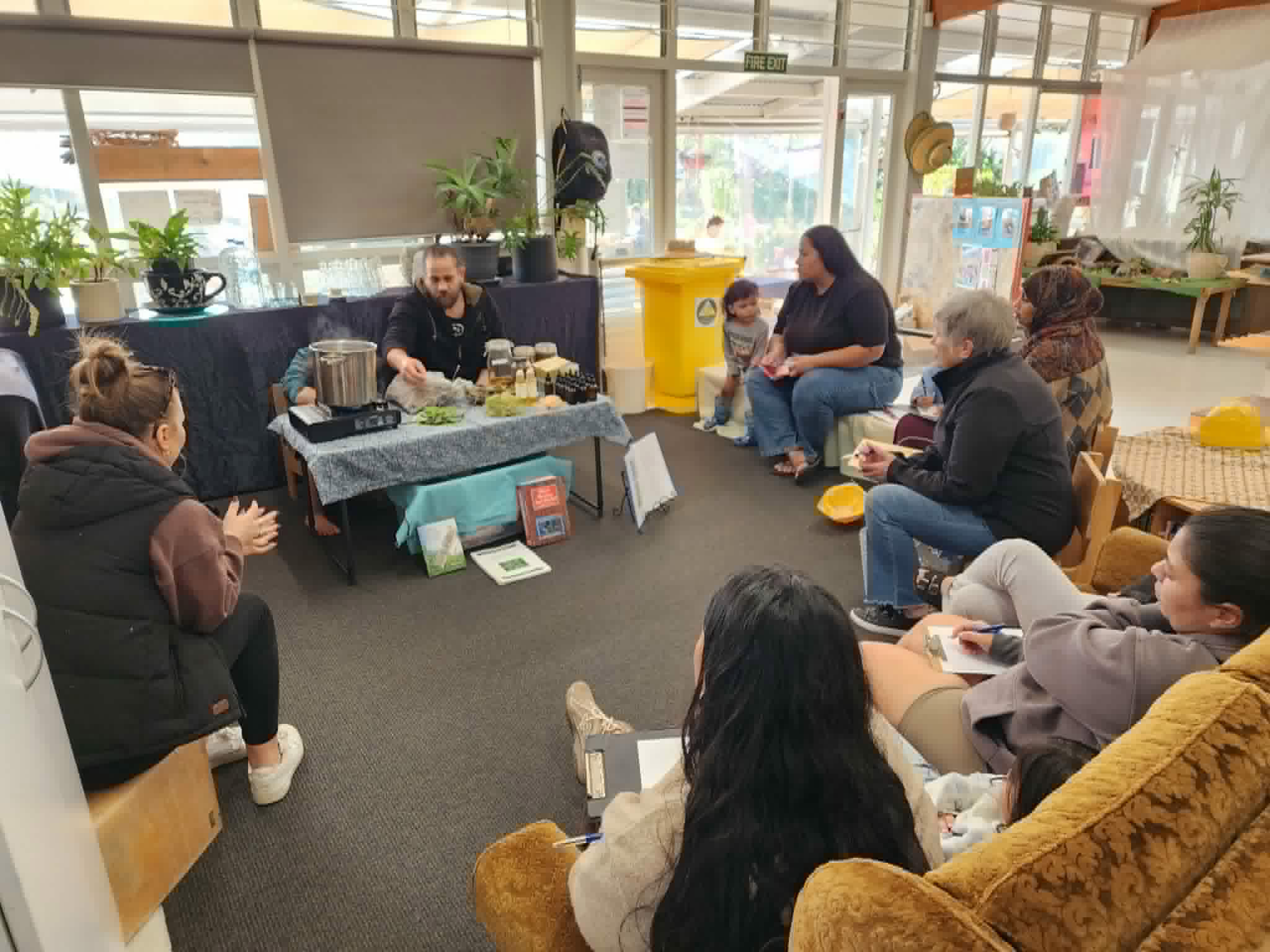
A rongoā workshop with Adam Holtz and Yvonne gave whānau another opportunity for practical, hands-on learning.
Together they explored native plants used in rongoā Māori, learning how to identify them, where and when to harvest them, how to harvest with intention and karakia, and how to prepare and use them respectfully.
The workshop helped make this knowledge practical and accessible, giving whānau skills they could continue to use at home. It also created deeper conversations about tikanga, caring for te taiao and the responsibility to protect these taonga for future generations.
“Opened my mind to the use of our plants that we would normally just walk past”
For Raumanga Kindergarten, the experience demonstrated how mātauranga Māori can support not only practical skills, but confidence, independence, wellbeing and a stronger connection with the natural environment.
While these experiences were brought together through Matariki, their impact extends much further.
Across the workshops and celebrations, tamariki were encouraged to be active participants in their learning, while whānau had opportunities to contribute their own knowledge, learn alongside their children and take new skills home with them.
The feedback shared with Raumanga Kindergarten reflected this impact, with whānau describing increased confidence with pepeha, enthusiasm to continue growing kai at home and a greater understanding of rongoā and native plants.
Most importantly, the experiences created space for intergenerational learning, bringing tamariki, whānau, kaiako and community members together to share knowledge and strengthen connections to culture, identity, whenua and each other.
NKA and Raumanga Kindergarten gratefully acknowledge Te Puni Kōkiri and the Matariki 2026 Fund for helping make these opportunities possible for tamariki, whānau and the wider Raumanga Kindergarten community.


.jpg)